

Stackline
Stackline is a retail technology company that builds commerce tools for thousands of the largest consumer brands, retailers, and professional service firms.

Service: Product DesignOverview:
Designing enterprise retail intelligence platforms used by global consumer brands. Focused on simplifying complex workflows across data-rich SaaS products, analytics systems, and AI-powered tooling at Stackline.
Role:
Product designer
Timeline:
2023 – Present
Products:
Responsibilities:
Product designer, enterprise SaaS / retail intelligence, UX strategy, workflow design, design systems, cross-functional collaboration, product maintenance
Team:
Isabelle Iwatsubo
Lindsey Wayman
Michael Lagoni
Raj Ramasamy
Chris Zhou
Alex Berry
Subhadeep Chakraborty
Patrick Leake
Joungwoo Baik
Shivang Mistry
Tools Used:
Figma, XD, Zeplin, Cursor, Lovable, Claude Design
Outcome:
Redesigned core product flows across products — reducing UI complexity, improving data hierarchy, and maintaining design consistency across a platform used by thousands of enterprise brands.
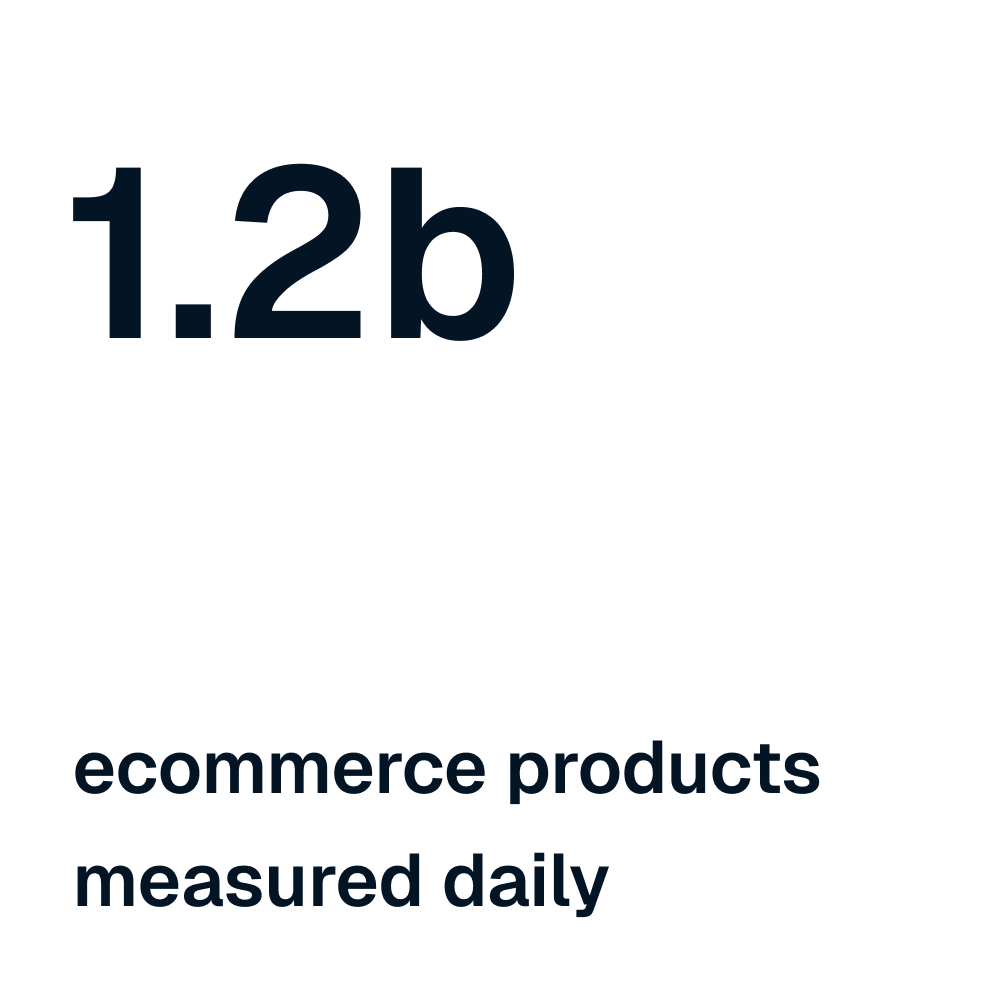
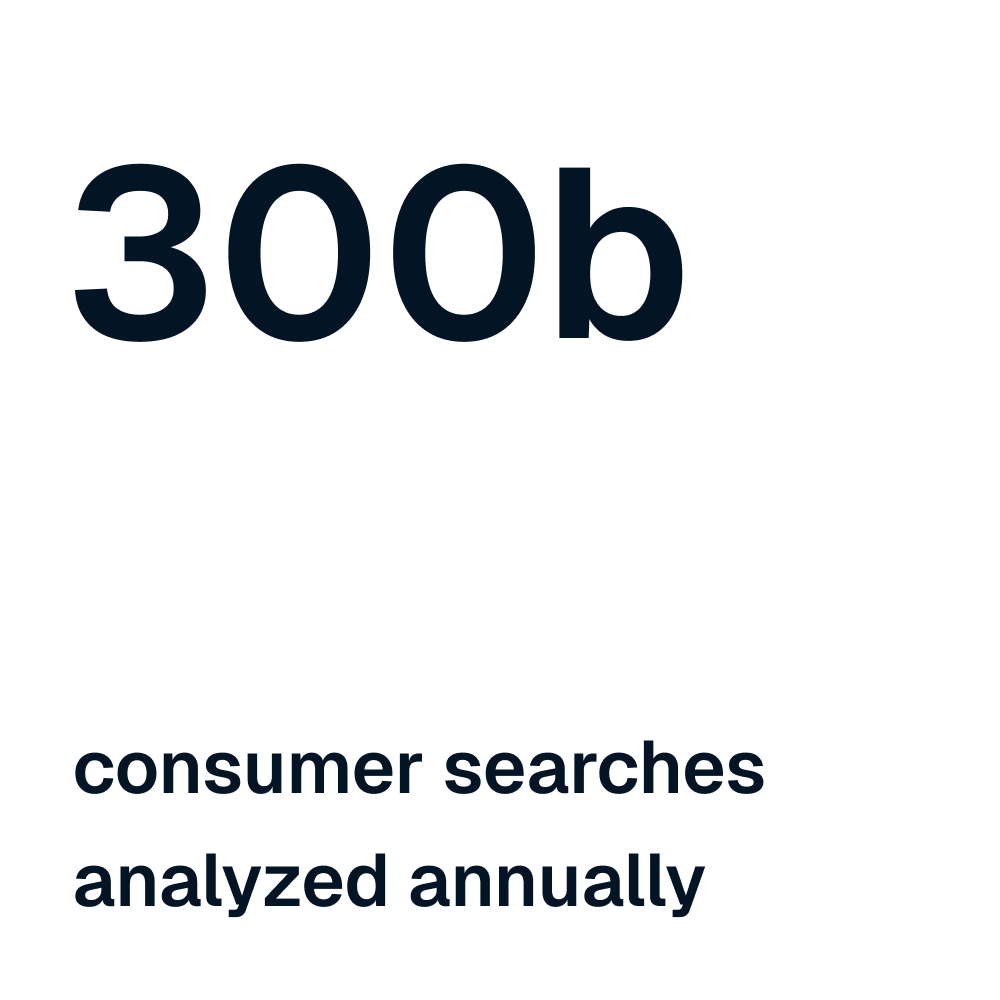
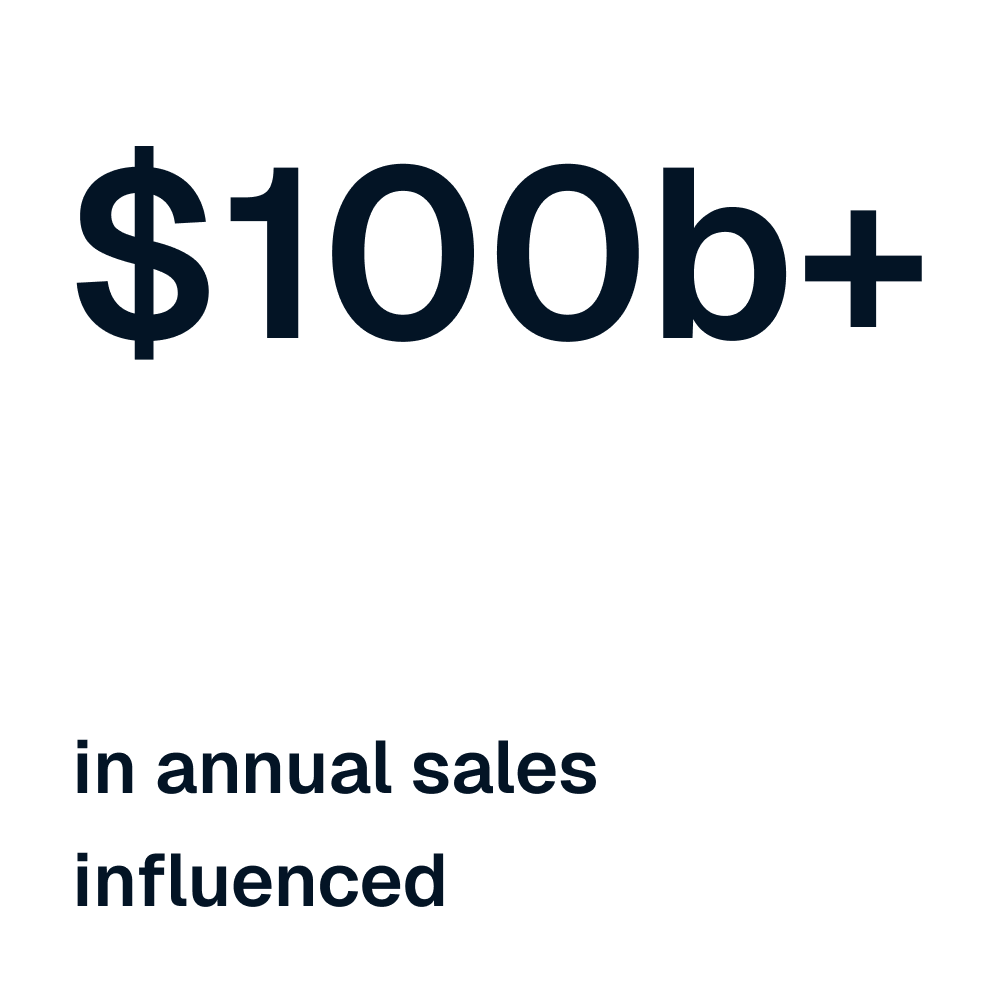
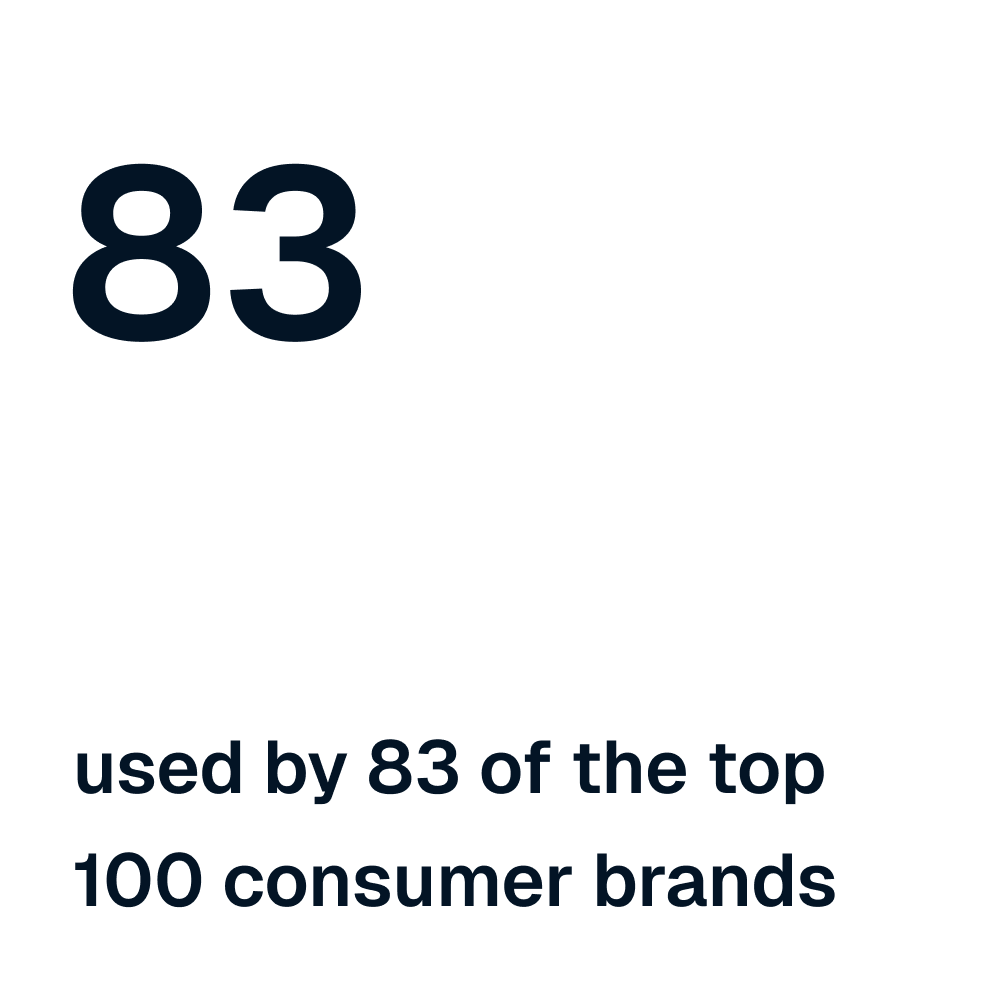
oVERVIEW OF ROLE
At Stackline, I design enterprise retail intelligence tools that help global brands analyze market performance, shopper behavior, forecasting, and competitive trends across major retailers including Amazon, Walmart, and Target. I worked across multiple enterprise platforms including Atlas, Shopper Analytics, and Advisor, designing scalable workflows and data experiences used by global consumer brands to analyze market performance, shopper behavior, forecasting, and competitive intelligence.
Responsibilities:
Designed workflows for data-heavy enterprise tools
Simplified complex analytics into actionable interfaces
Built scalable UI patterns across multiple products
Partnered closely with PMs, engineers, and leadership
Supported AI-powered product experiences

Challenge ✹ Solution
Complex Data Density
Condensed content to be more digestible
Reorganized material to be more intuitive
Modernized data visualizations and interface
Workflow Fragmentation
Redesigned products for cohesion
Embraced neutrality for seamless transition
Adhered to new standard of beautiful design
scalability
Included additional messaging & education
Limited wordiness and incorporated tutorials
Updated workflows & recentered around UX
Design System
Back to the basics
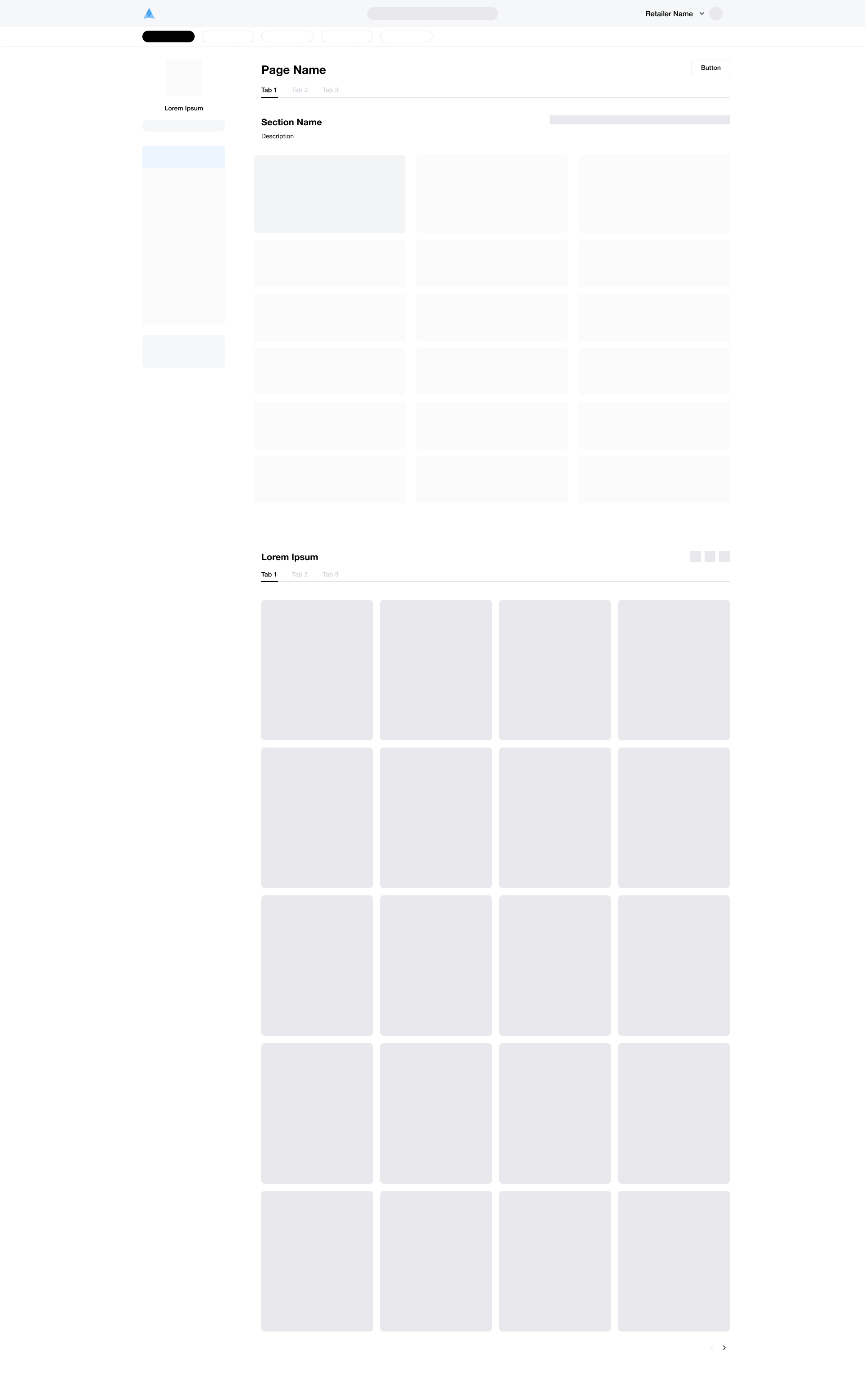
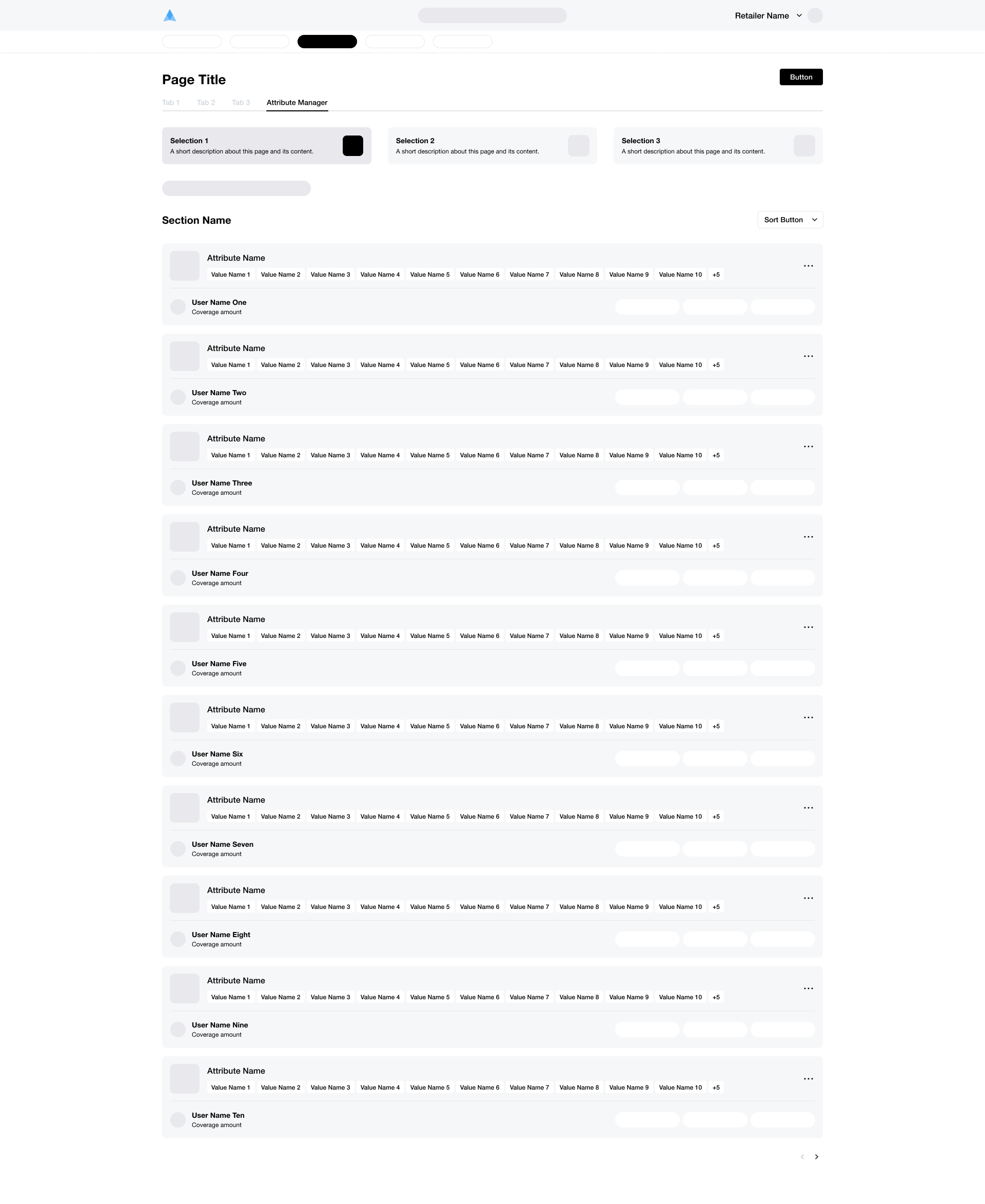
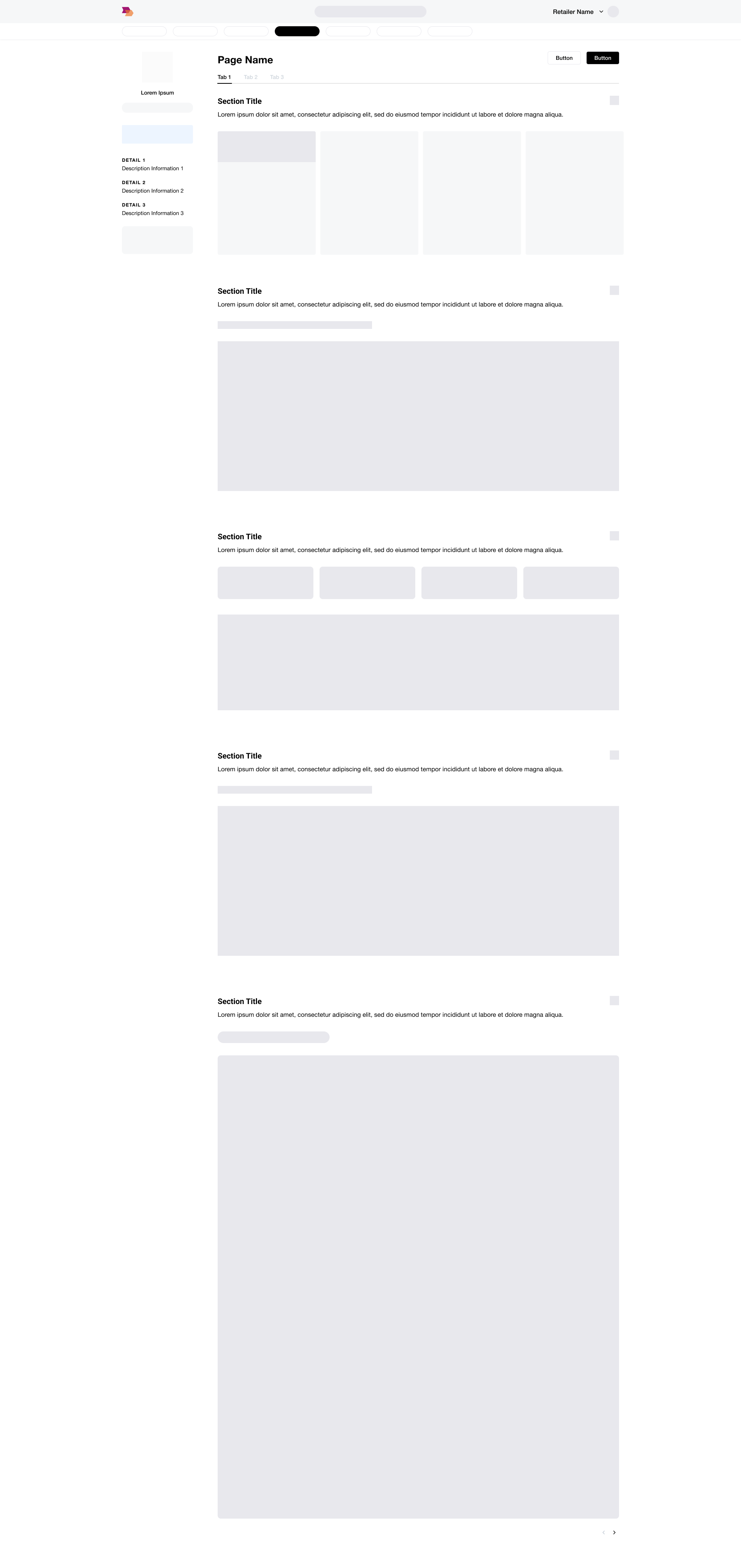
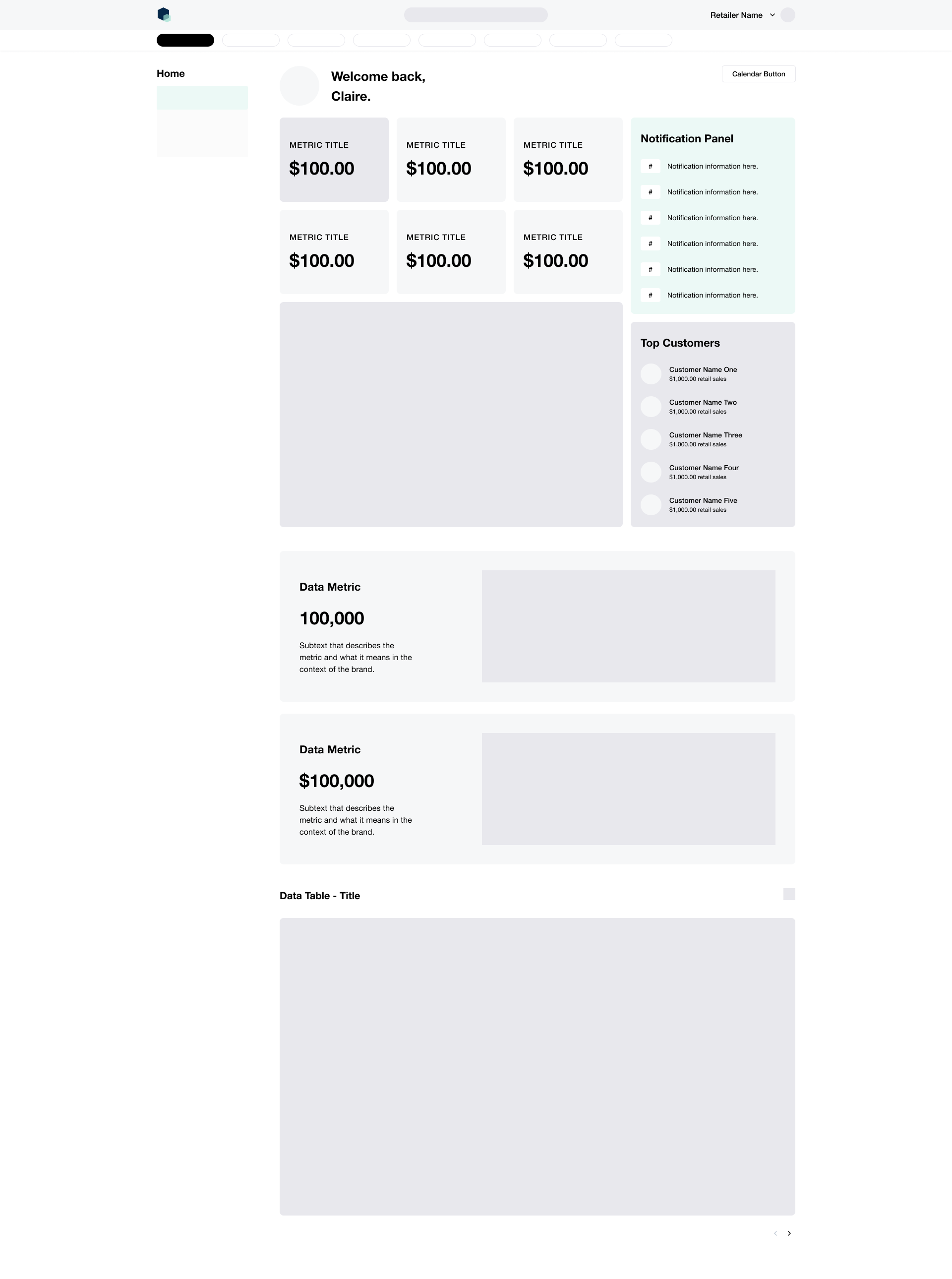
At Stackline, the standard for our designs concentrated on detailed and precise mocks, ensuring clarity from concept to execution. Our team’s workflow must account for rapid turnaround times without compromising the quality of the mocks. With a focus on minimal yet beautiful visualizations, our products must be able to communicate complex datasets within sleek and intuitive designs.
defining a brand
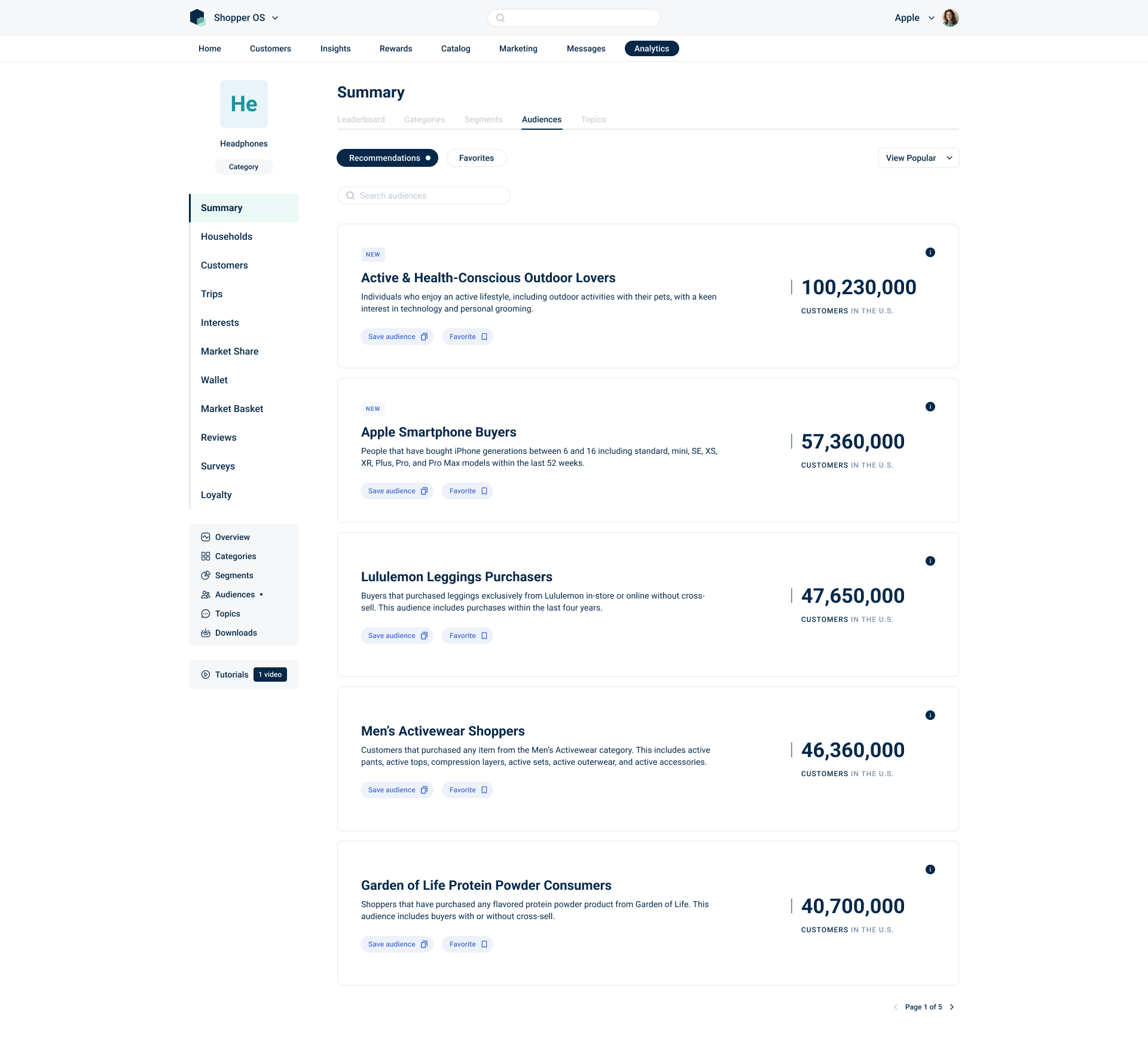
With clients like Apple, Liquid Death, and McAfee, Stackline is a defining tool in the industry. But to own that space, we need a design that matches the company’s ambition. We crafted a bold, modern identity that presents data while also defining the brand. Through sleek visuals, intuitive interfaces, and a distinct aesthetic, we wanted clients to be able to identify Stackline’s data no matter what product they were using.


adding clarity
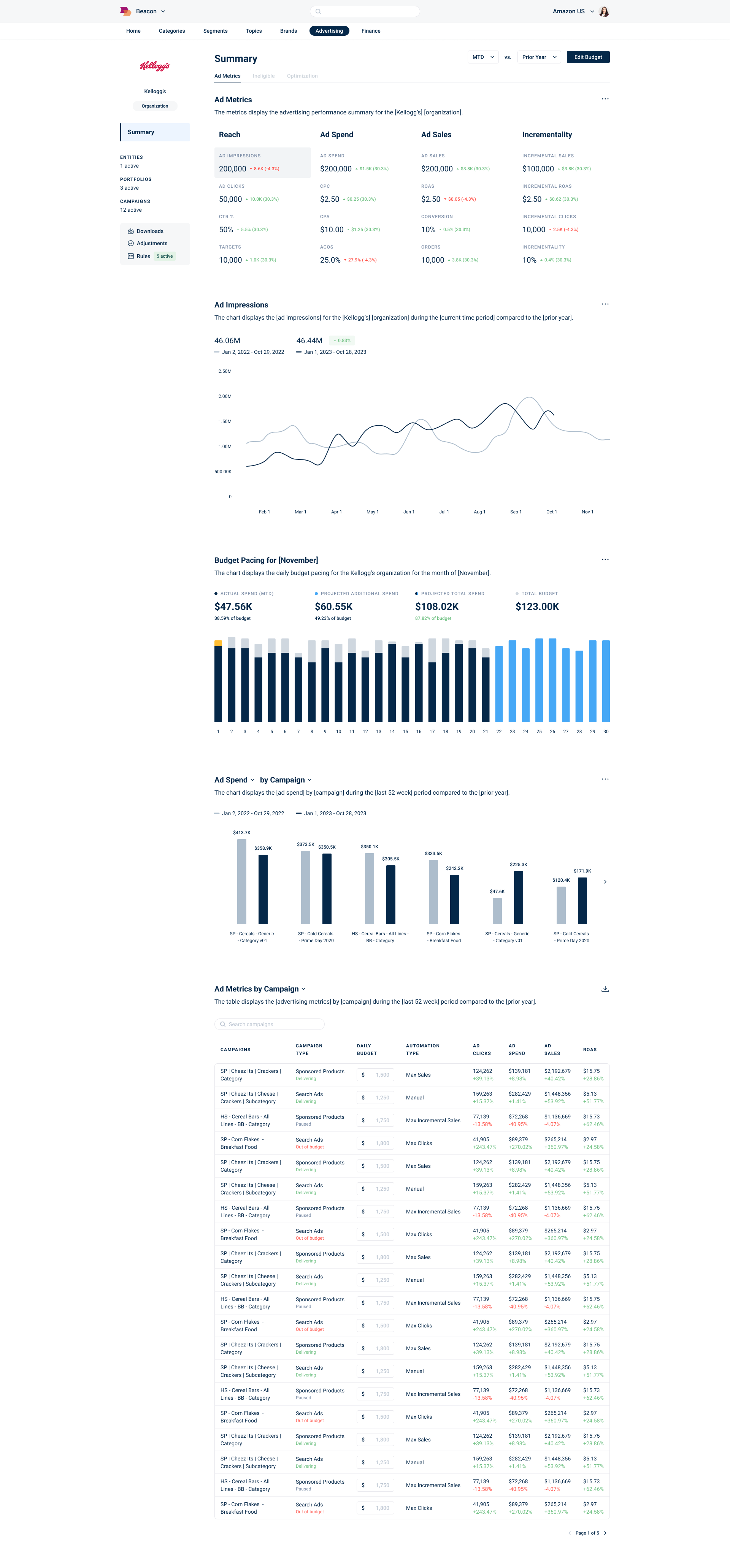
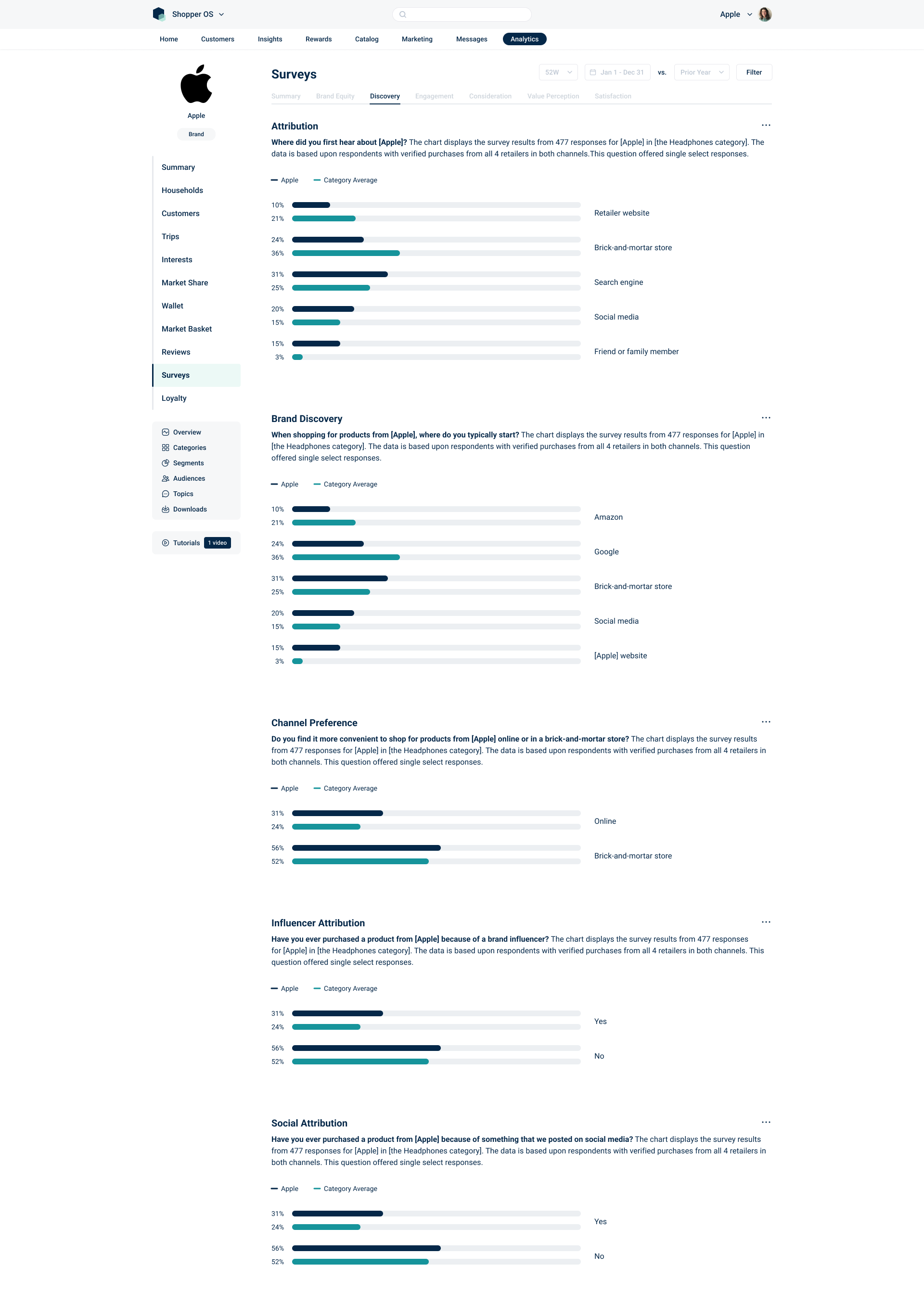
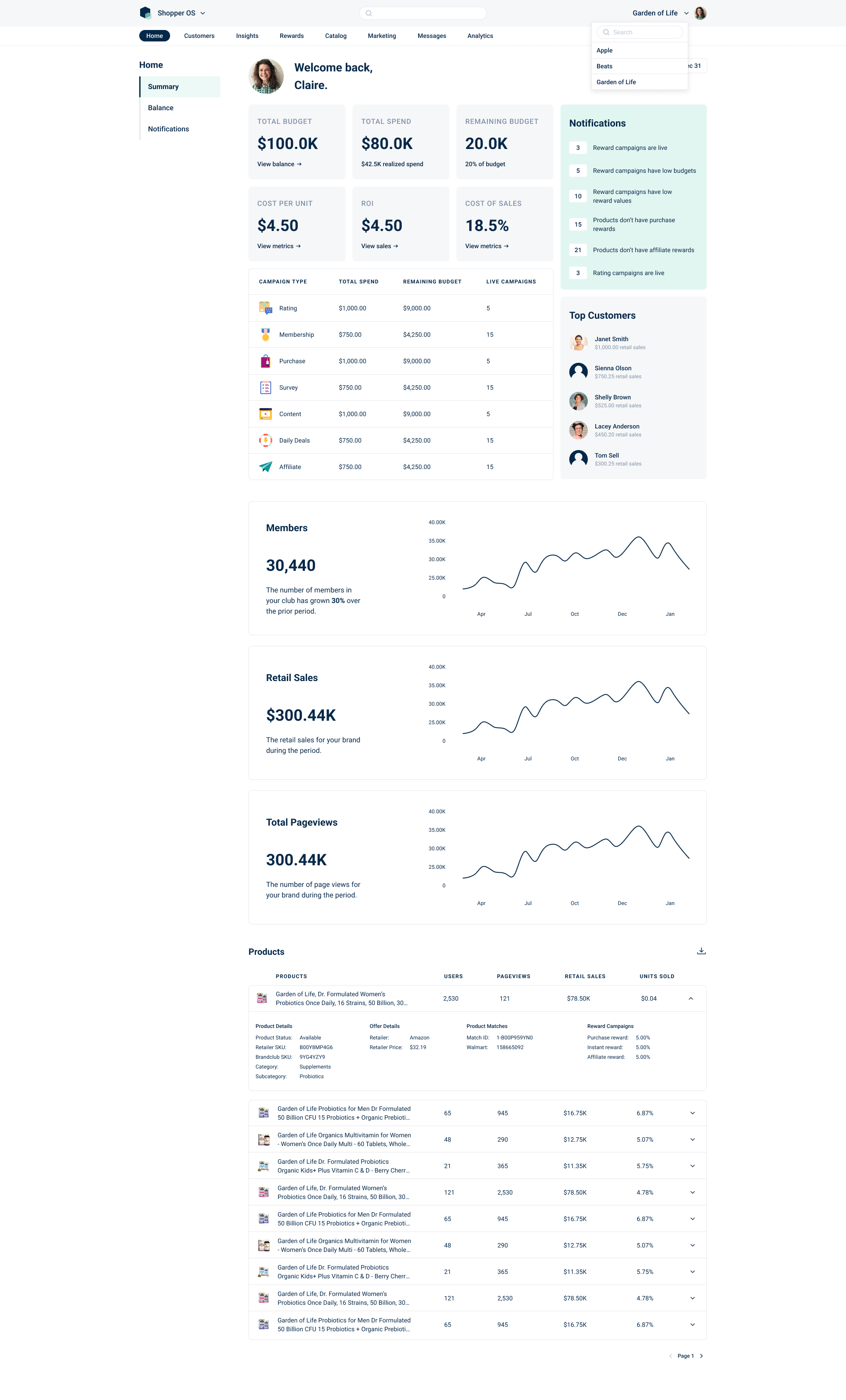
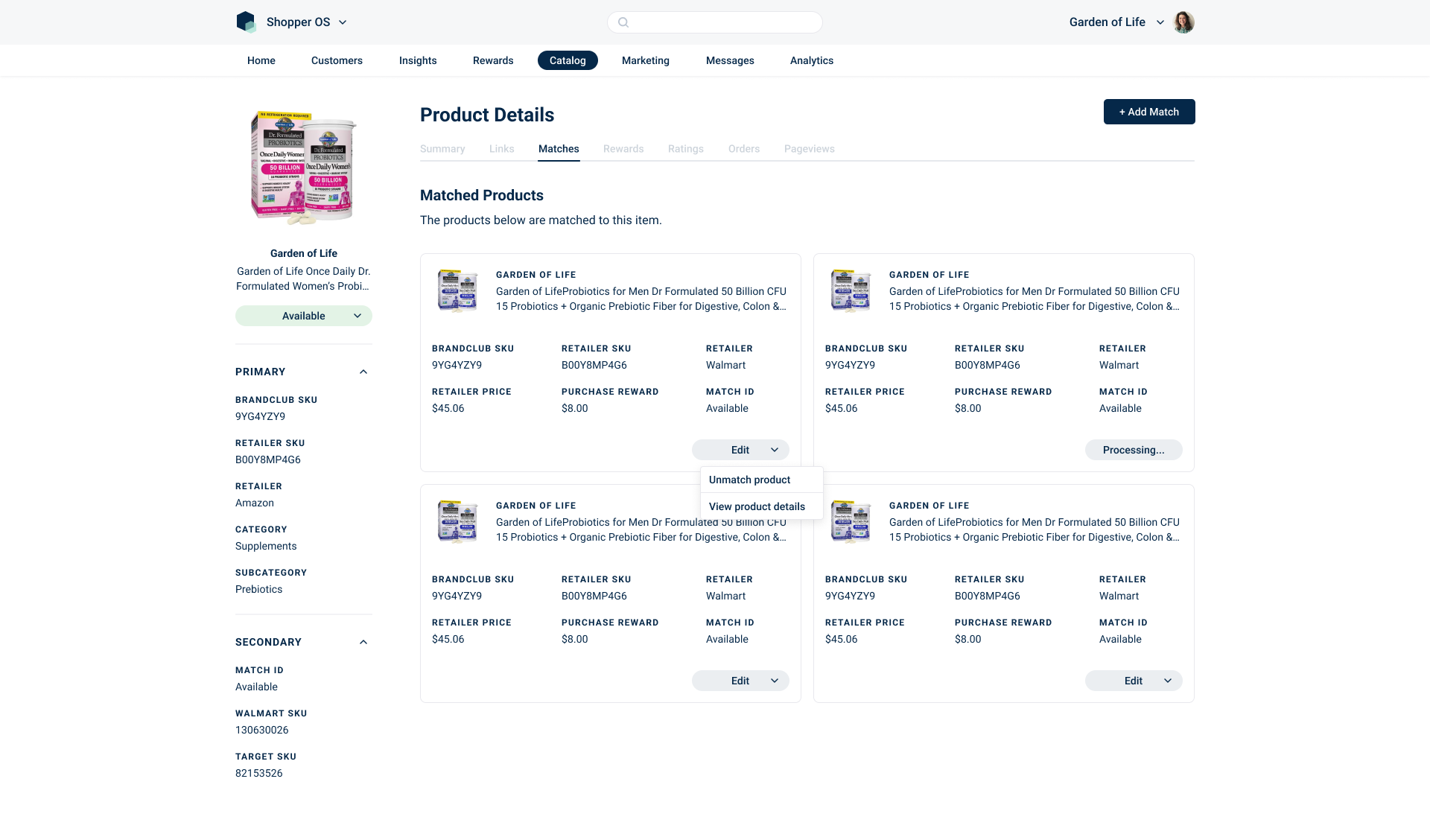
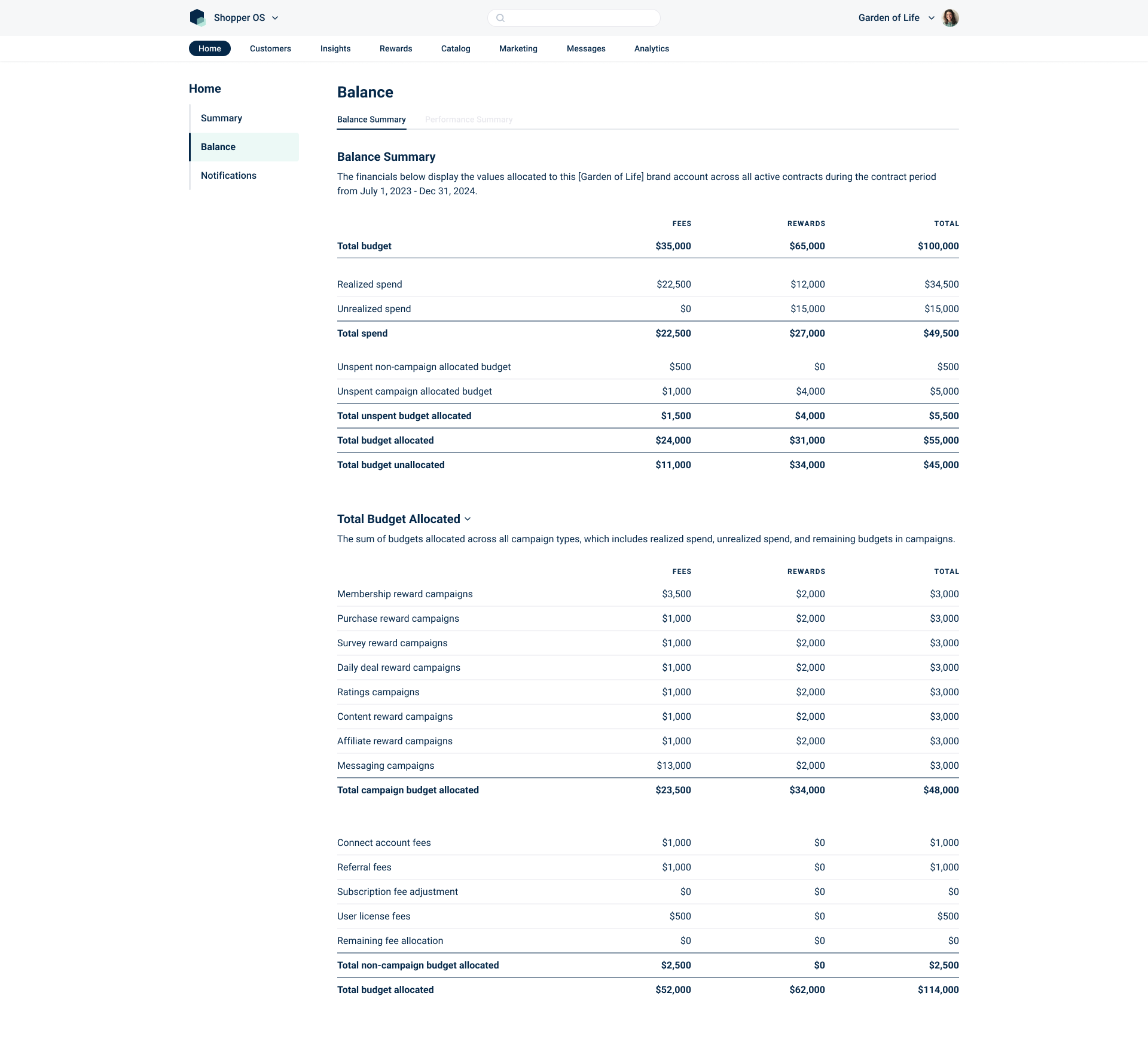
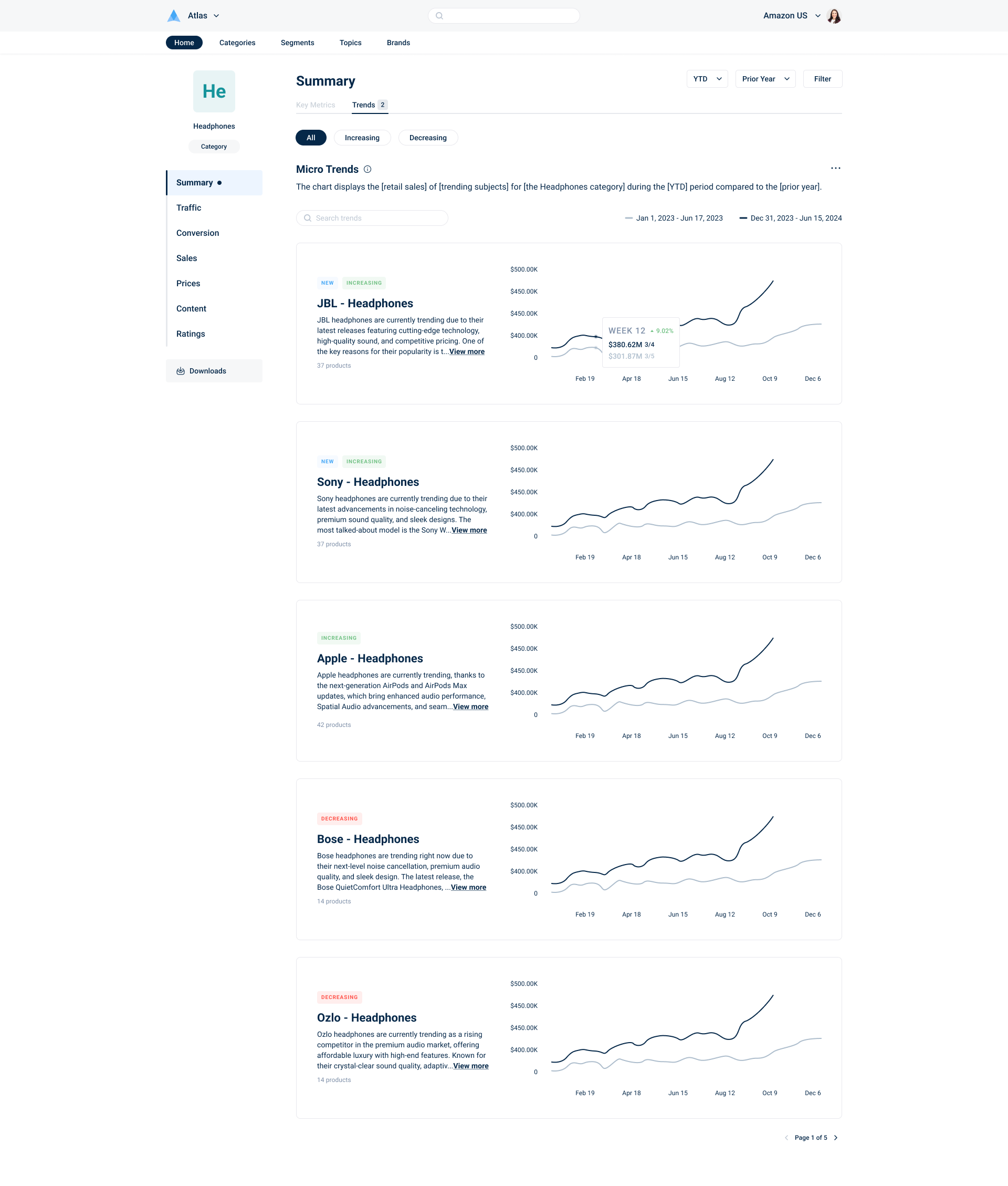
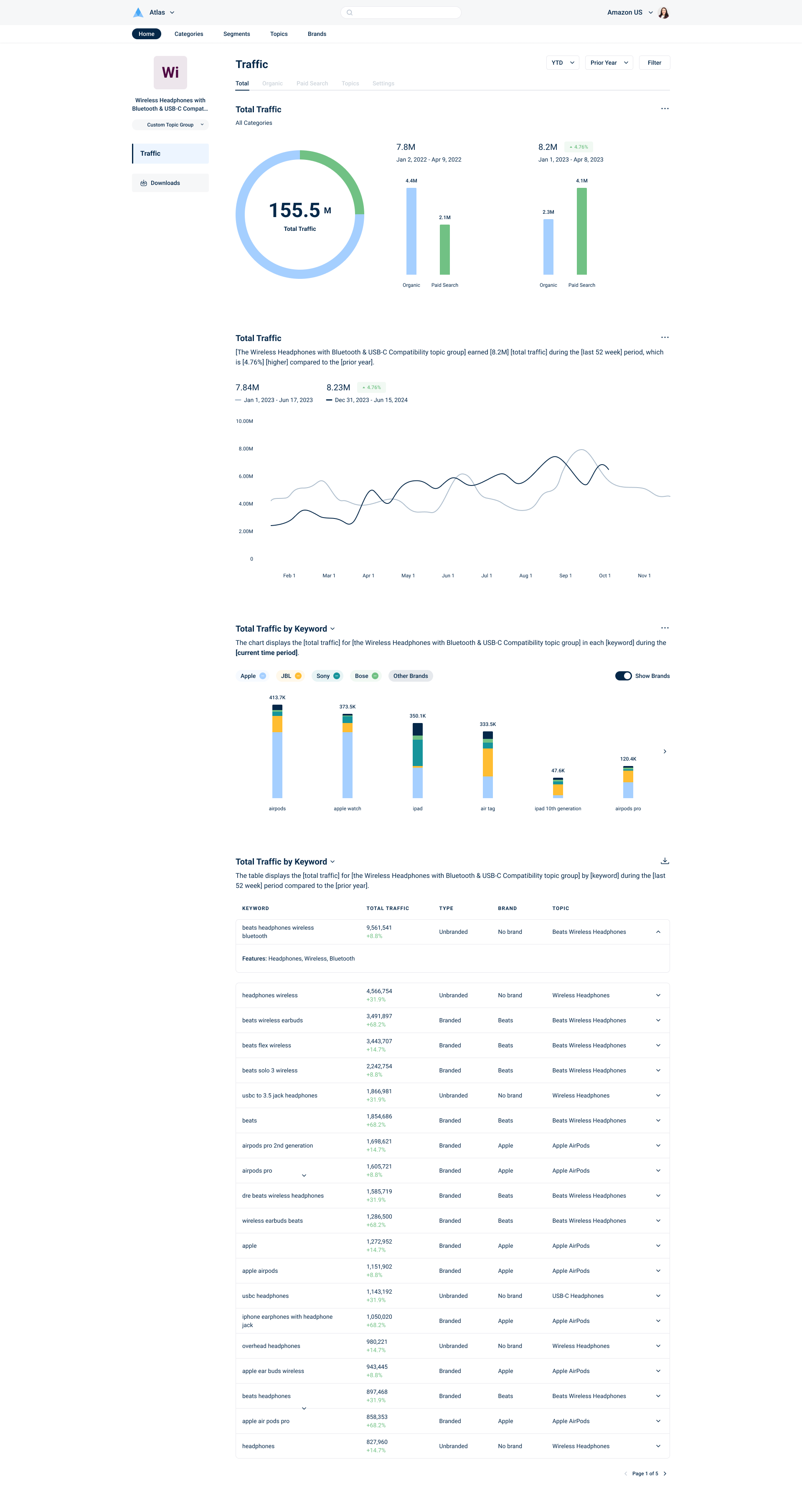
While Stackline’s data is extremely powerful, its previously cluttered UI overwhelmed users with too much information at once. Navigation was confusing, visuals were dense, and insights were buried under complexity.
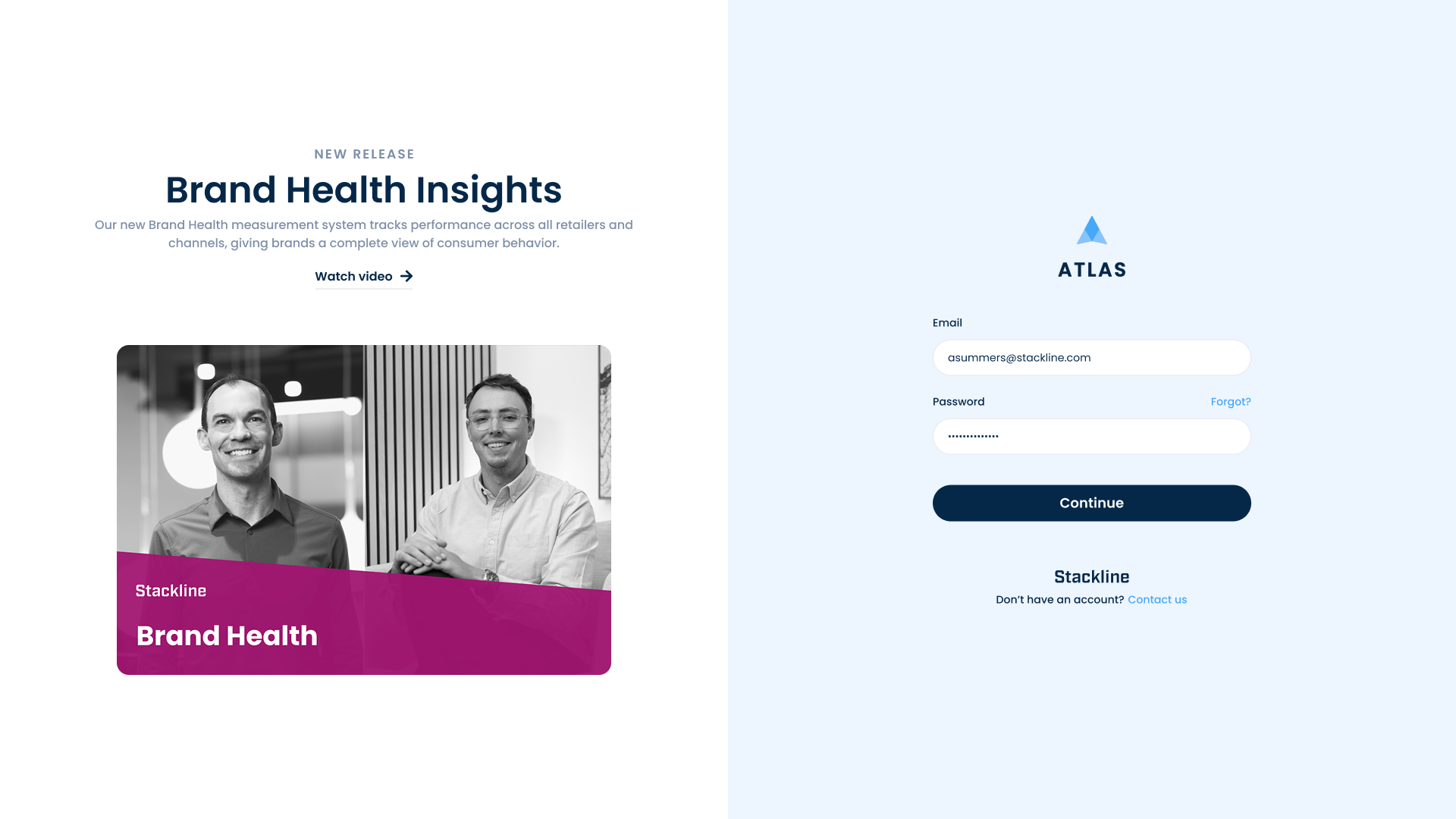
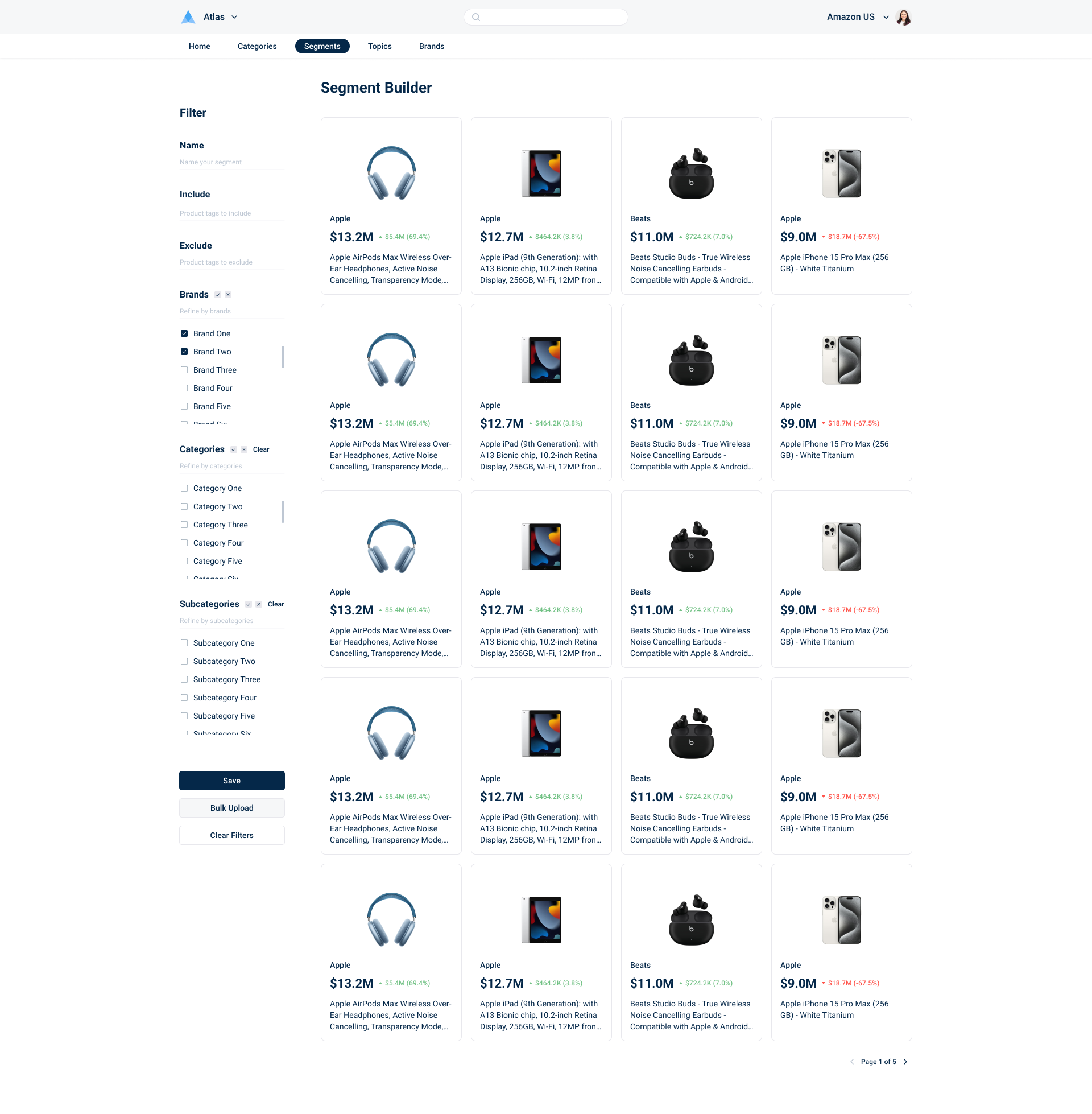
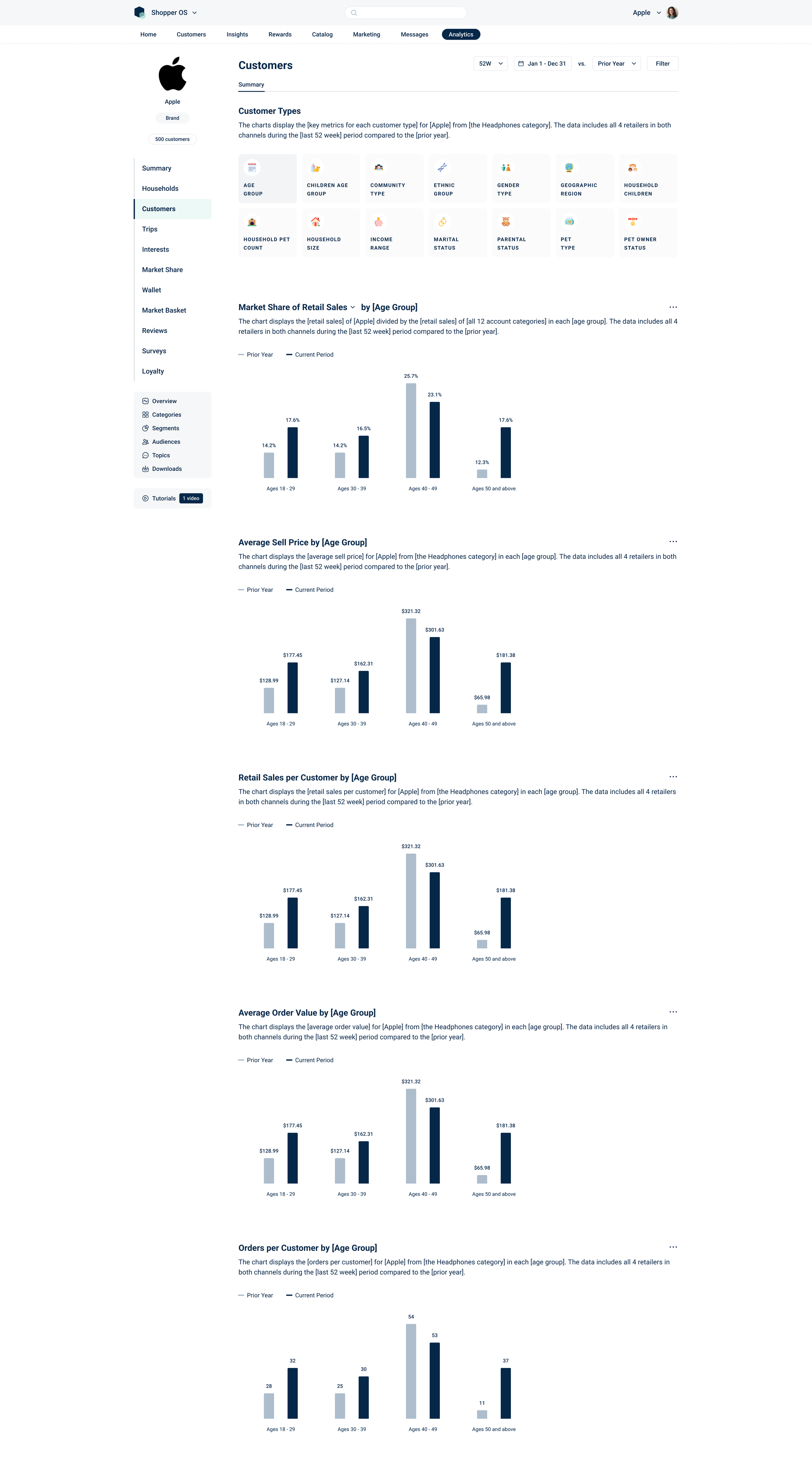
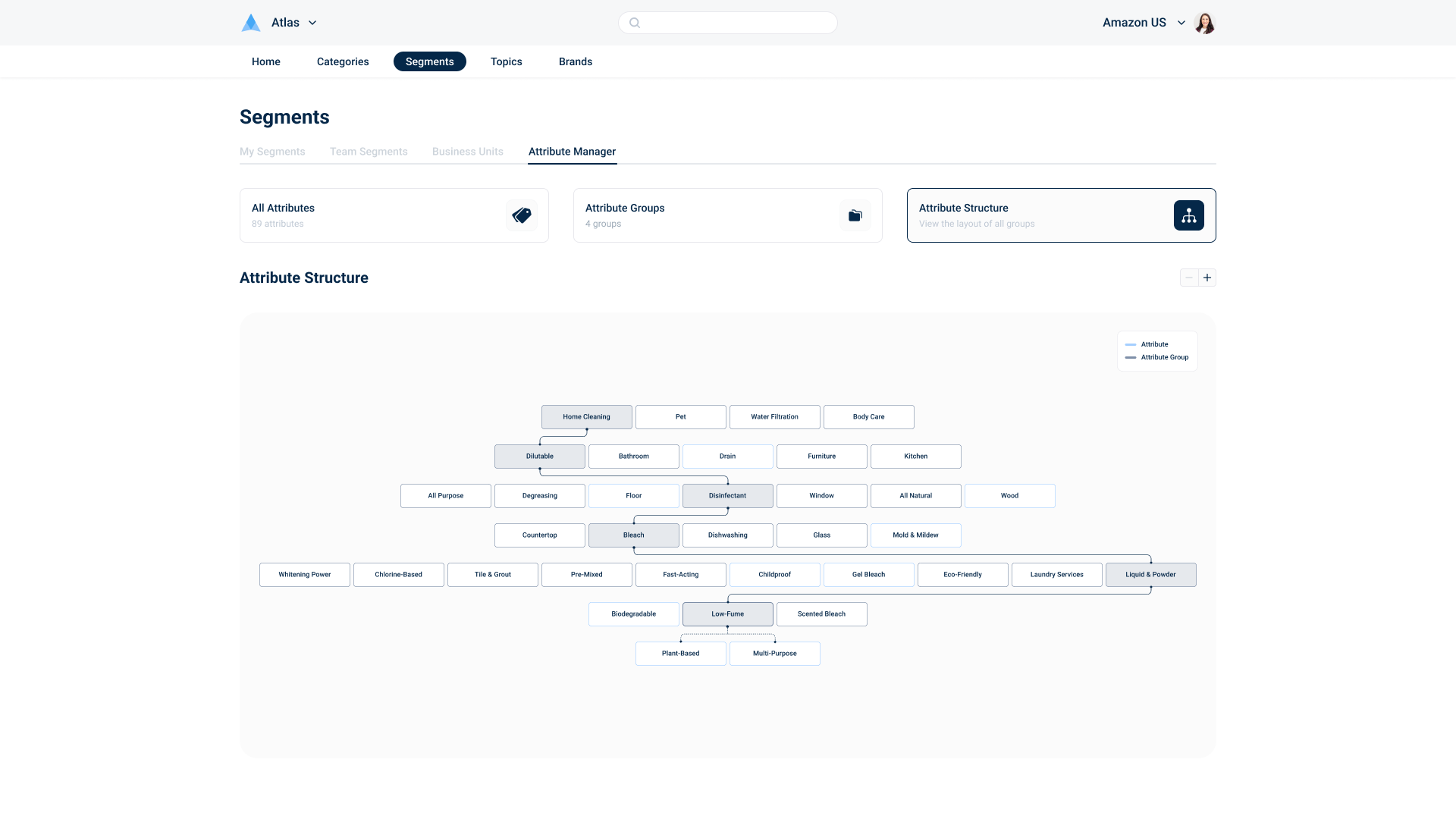
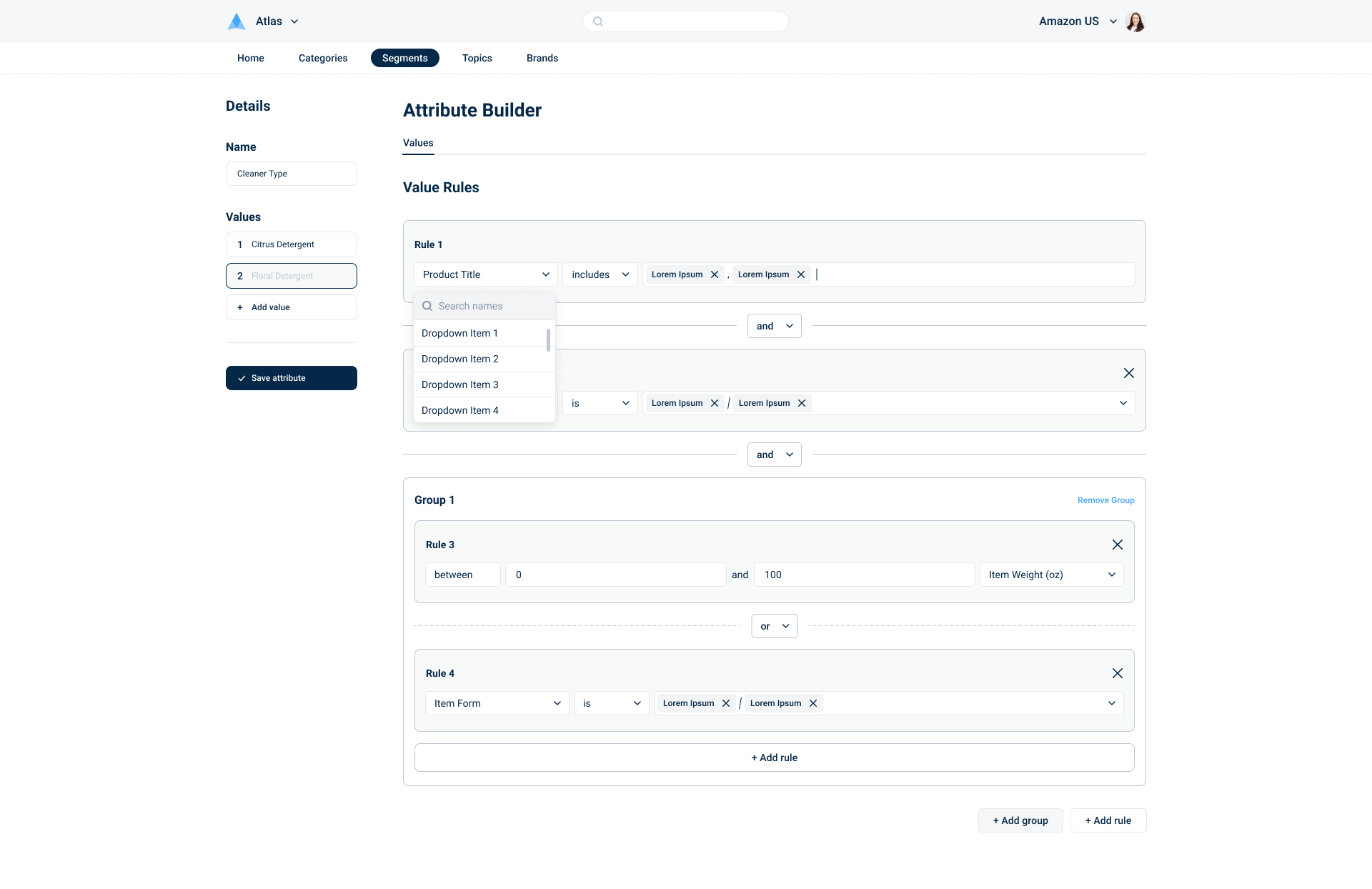
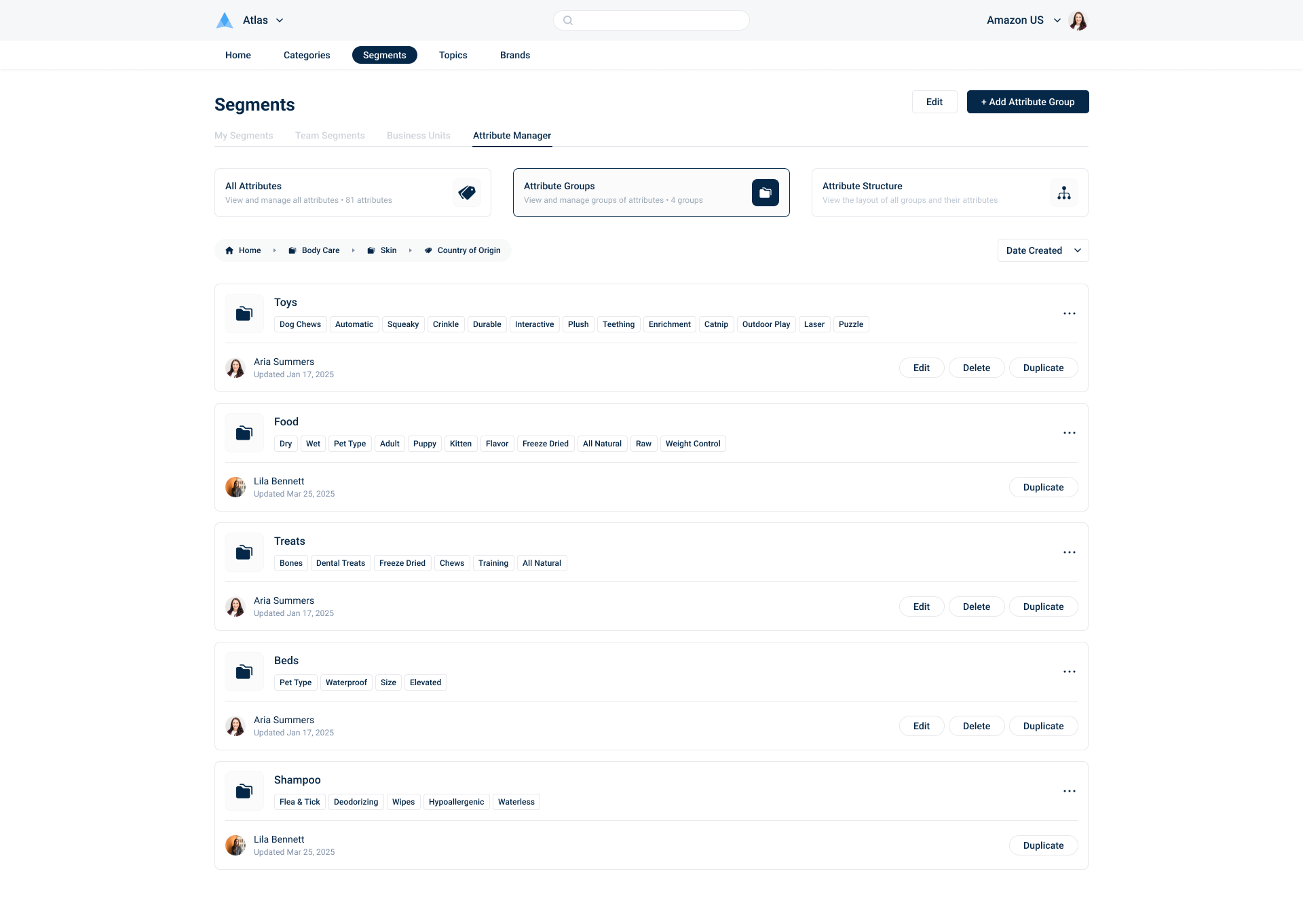
We streamlined the experience with a clean, modern design and replaced it with intuitive layouts and impactful visuals. We prioritized clarity and hierarchy and created a sophisticated interface that not only enhances usability but elevates Stackline’s identity.



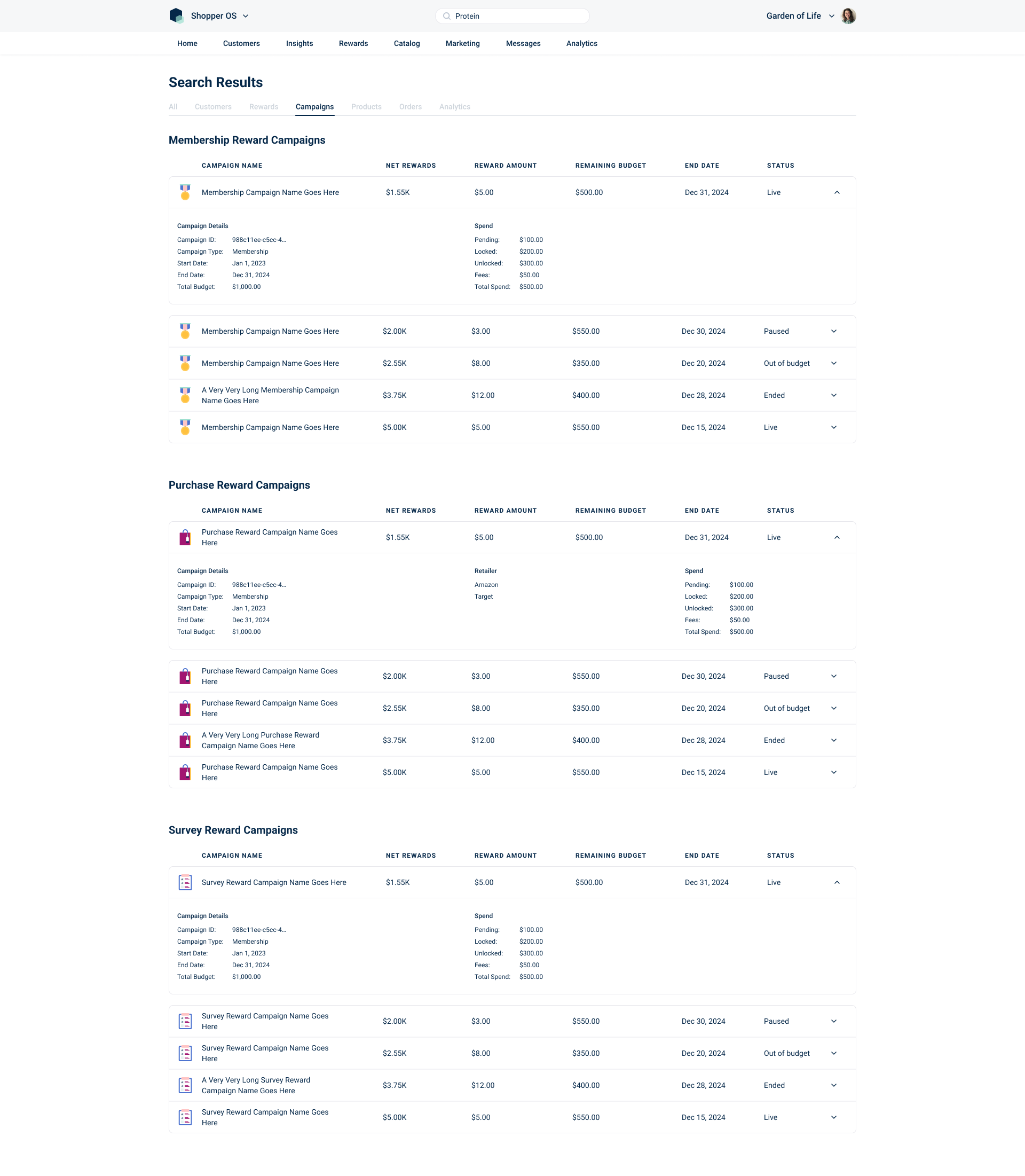
CREATING A LEGACY
While Stackline is armed with groundbreaking data, the previous design didn’t match the company’s potential. To solidify their place as a formidable industry leader, we crafted a bold, intuitive, and visually striking interface that not only showcased their power but built trust with users.
By merging seamless usability with a strong brand presence, we ensured that their legacy as a powerhouse tool will live on in its design. For me, Stackline has deepened my understanding of what it means to own a product long-term, balancing the push for new features with the discipline to keep the foundation clean, consistent, and scalable.
motion
a Minimal UI
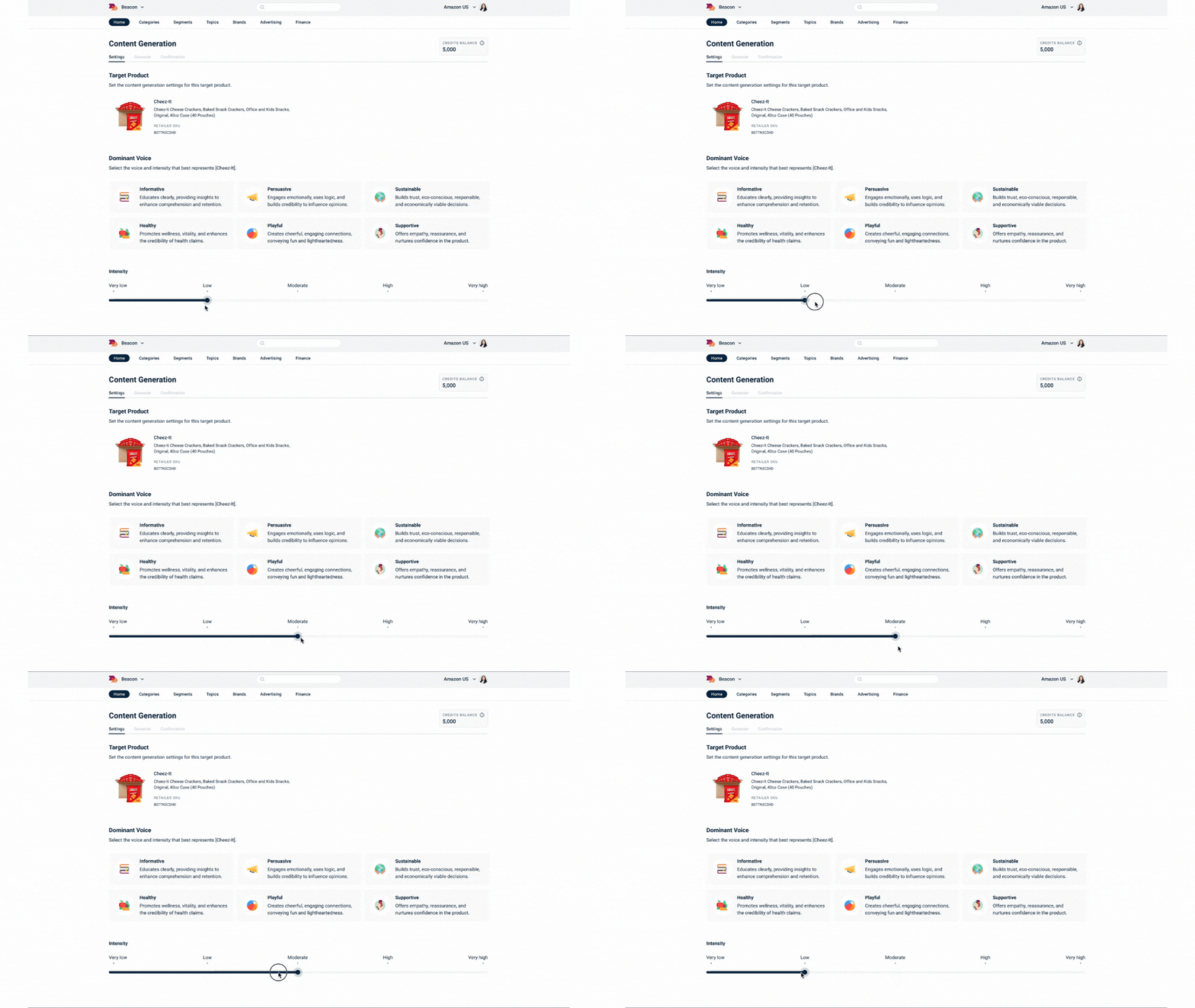
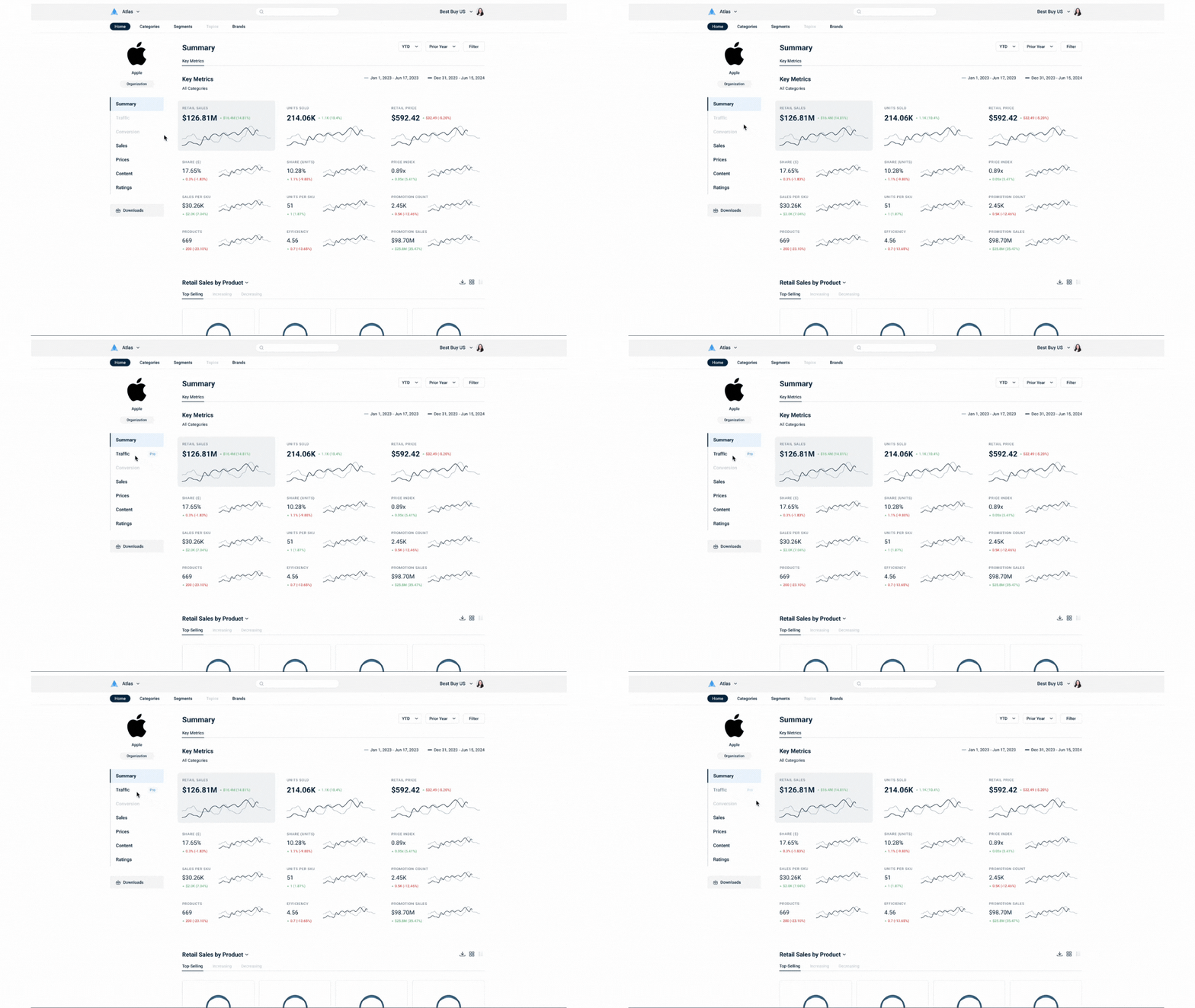
Because Stackline is an intelligence platform first and foremost, the motion incorporated should be minimal and only used to enhance the user experience.
Standard motion should be quick and efficient. It should be subtle enough to not distract the user from the content, but noticeable enough to be easily understood. Hover motion can also be used to add personality to the designs while being hidden enough to maintain a clean and sophisticated UI.
Collaboration
I collaborated closely with our CEO alongside product managers, engineers, and leadership to design scalable enterprise experiences across multiple retail intelligence platforms. My work required balancing complex business requirements, dense datasets, and technical constraints while maintaining clarity and usability for global consumer brands.
Working cross-functionally, I contributed to product strategy, workflow definition, interaction design, and scalable UI patterns across Atlas, Shopper Analytics, and Advisor. Through iterative design reviews and rapid feedback loops, I helped align product direction across teams while ensuring solutions remained flexible, intuitive, and technically feasible.
reflection
Designing enterprise data products at Stackline strengthened my ability to simplify complexity at scale. I learned how thoughtful product design can reduce friction in high-density workflows, improve decision-making, and make large datasets feel approachable and actionable.
This work deepened my experience designing for scalability — from creating reusable systems and consistent interaction patterns to supporting evolving AI-driven workflows across multiple products. More importantly, it reinforced the value of balancing business goals, technical constraints, and user needs to create experiences that are both powerful and intuitive.